I Tried to Sell a Trip Six Weeks Out. Here’s What Happened.
In December, I had a trip I was genuinely excited about.
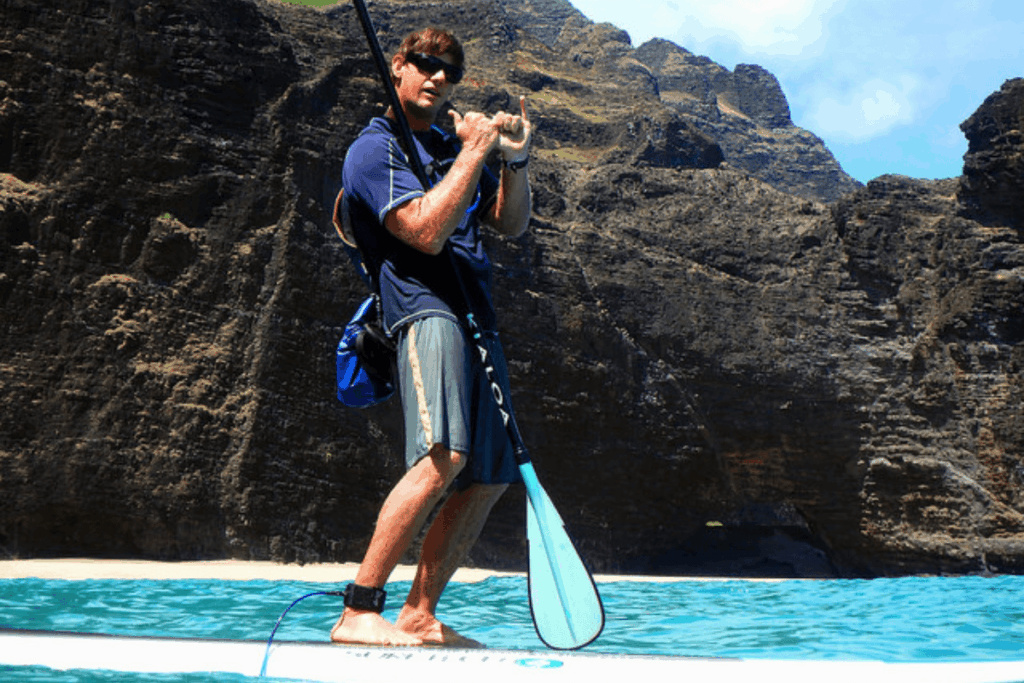
Four days paddling the Florida Springs — Crystal River, Weeki Wachee, Silver Springs. Great hotels, incredible wildlife, an itinerary I’d want to do myself. I knew the rivers. I’d paddled every stretch. The logistics were figured out. I set a price, posted it, and announced the February departure date.
Almost no one signed up.
I moved the dates to April. Still not much traction.
And I’ve been sitting with why — because the trip itself isn’t the problem.
The problem is that I planned it like someone who travels the way I do. And most people don’t travel the way I do.
How I travel (and why it doesn’t scale):
I’m a last-minute traveler. If I’m excited about something, I want to go soon. I’ll figure out childcare, work coverage, and packing in about forty-eight hours. This quirk has served me well personally and but it didn’t work professionally.
When I launched the Florida Springs trip in December for a February departure, I was giving guests roughly six to eight weeks to decide. That felt like plenty of time to me. For most people, it is not enough time.
The guests who sign up for multi-day adventure trips are not impulsive travelers. They’re people with demanding jobs, partners whose schedules also have to align, kids, PTO that needs to be requested and approved. Six to eight weeks doesn’t give them time to do any of that comfortably. They need two to four months from first awareness to booking — even when they’re genuinely interested.
What the industry standard actually is:
I just took the “Rock Your Profitable Sold Out Retreat” Course and they recommend scheduling trips at least a year to 18 months out to really give time to build interest. Multi-day adventure trips should not be announced once and promoted hard for three weeks. They need to be introduced to the market much earlier and then have regular touches from there to close.
Our Alaska expedition at around $9,000 per person should have been in market at least eight months before the July departure. We’re marketing it now with about three months to go — still tight. And to be honest, I might need to let this one go this year.
How This Affects the Planners:
Late marketing doesn’t just mean fewer bookings — it creates a confidence spiral. When signups don’t come in fast, you start second-guessing the trip itself. Is the price wrong? The destination? You’re troubleshooting the product when the actual problem is the timeline. I’ve watched myself do this in real time.
What I’m changing going forward:
Set departure dates further out, then work backward. February departure means marketing by the previous July at the latest — ideally earlier with a waitlist or interest form.
Announce before you’re ready. You don’t need a fully built booking page to announce a trip. You need a concept, a date range, a price estimate, and a way to capture interest. Get that out early.
Build an interest list before you build the itinerary. Put the concept out and see who responds before committing to full logistics. “We’re exploring a Florida Springs paddle expedition in spring 2027 — interested?” costs nothing and tells you everything. You can put this on Facebook, Instagram, or out to your mailing list.
Know your cancellation threshold before you launch. Set a minimum guest count, communicate it clearly, and commit to a decision date. Guests appreciate the transparency.
Right now I am working on the Alaska trip. I still don’t feel like I have enough time, but I kind of can’t let it go this year. If I don’t get any takers, I know that I just need to step back and regroup and develop more realistic timelines moving forward. I know that this trip is priced right and is an amazing experience. I just have to find eight people that agree with me and are ready to go to Alaska in June?
Do you lead adventure trips? Do you have any tips for how soon you should start promoting your trips? I’d love to hear what you do.
Adventure Business Pro is built on real experience, not theory. We own two adventure businesses and are constantly trying to get better at what we do. We hope we can learn together. If you’re interested in this type of content, please sign up for our mailing list.